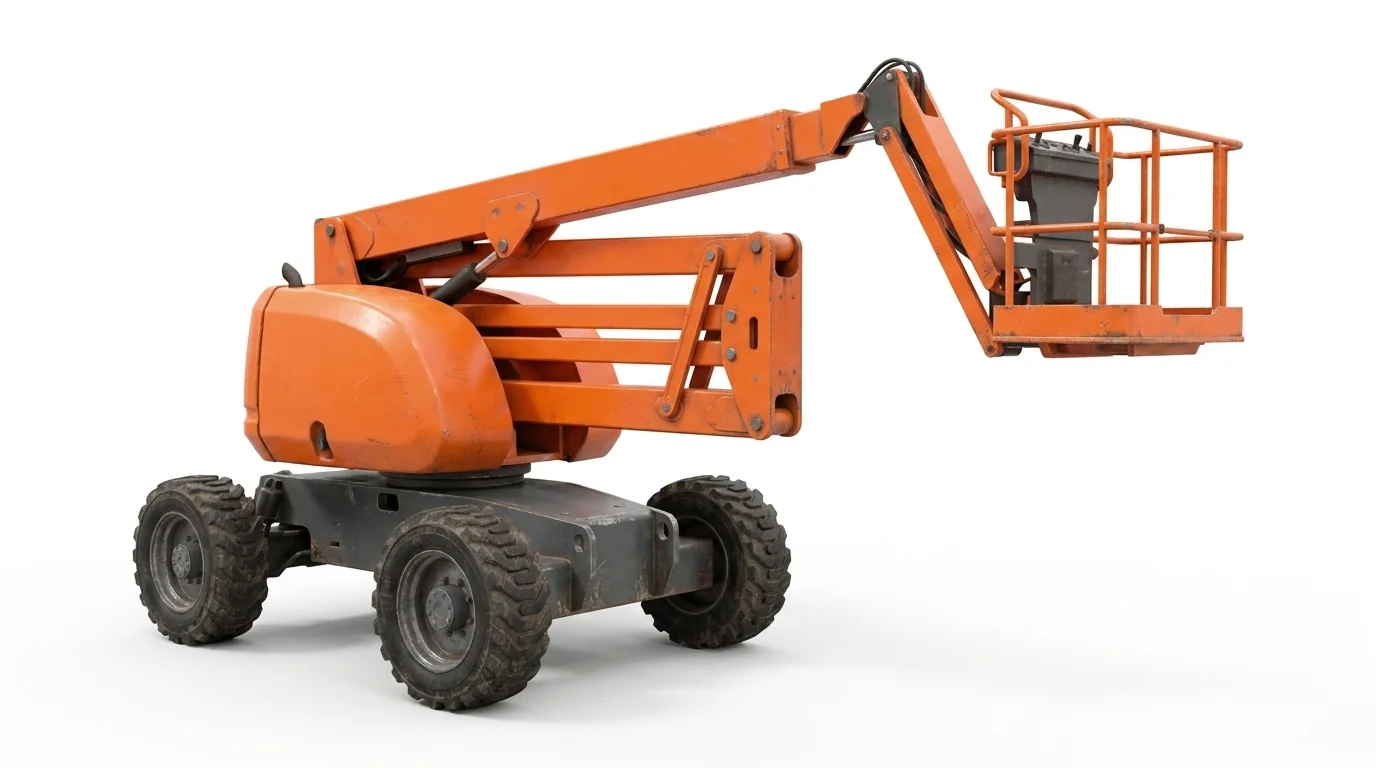
Use a straight boom when the work is in line of sight and setback distance is available. Norfolk’s open industrial yards and waterfront corridors often suit long, direct reaches.
The first question is whether the platform can point straight at the target with enough room for the chassis to sit back from obstacles. In Norfolk, long exterior runs along piers, bridge approaches, and laydown areas often provide the clear setup a telescopic boom needs, but coastal winds, soft edges near drainage, and salt exposure influence size, tires, and power source.
Where a telescopic boom excels
Direct approach to signage, lighting, façade panels, antenna mounts, and structural steel
Long setbacks across open yards, utility corridors, and exterior frames
Tasks where maximum horizontal reach matters more than complex up-and-over angles
Local factors that narrow the choice
Wind exposure: Open-water and open-yard jobs experience gusts and directional shifts. Actual conditions, the unit’s instructions, and site procedures govern elevation.
Surface variability: Soft shoulders and silty soils at the edge of pavement call for rough-terrain capability and careful ground assessment.
Salt air: Extended exterior work benefits from corrosion-resistant specs and frequent inspections.
Sizing and configuration
Required horizontal reach: Measure from the machine’s likely stance to the work point, then confirm platform capacity at that reach on the model chart.
Height vs. outreach tradeoff: Some models prioritize height; others maximize outreach at moderate heights.
Tail swing and counterweight: Confirm swing clearance along fences, containers, or temporary barriers. See /temporary-fencing-barricades-rental/ if the site relies on controlled access lanes.
Power source and tires
Diesel rough-terrain for open infrastructure and industrial sites with grades and debris
Hybrid or electric for partially enclosed work zones with air-quality constraints
Related access options
Need to reach over an obstruction? See /articulating-boom-lift-rental/
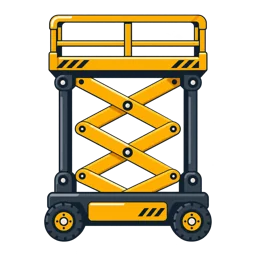
Strictly vertical work on slab? See /electric-scissor-lift-rental/ or /aerial-lift-rental/
Equipment questions
Questions about Norfolk planning
How much setback does a telescopic boom usually require in Norfolk’s open yards?
Setback depends on the model’s outreach and tail-swing profile. The measurement from the machine’s planned stance to the work point, along with nearby obstructions, determines feasibility.
Are straight booms suitable for waterfront maintenance with salt exposure?
Yes, if the unit’s components and finishes suit saline conditions and inspection intervals reflect exterior use. Corrosion awareness is important on longer-duration waterfront tasks.
When is a telescopic boom a poor fit?
If the work sits behind complex obstacles or requires tight maneuvering around overhead clutter, an articulating boom often places the platform more effectively. Start with /articulating-boom-lift-rental/ for up-and-over geometry.