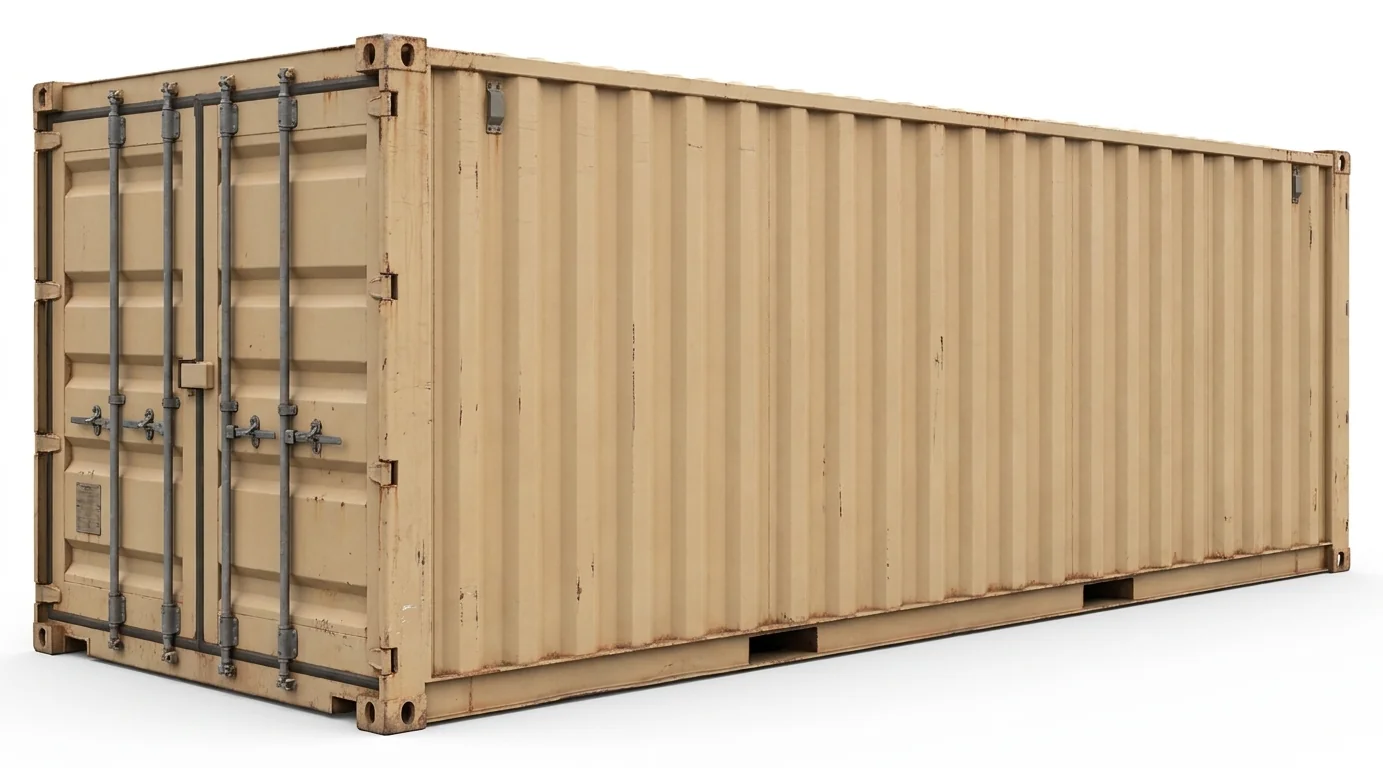
Container placement in Norfolk hinges on route geometry, pad stability over silty subgrades, and salt-air exposure that can shorten the life of unprotected steel. Plan the footprint and loading pattern around those realities.
Decide whether the container supports marine maintenance, infrastructure staging, or general construction. Then map the delivery path, confirm surface conditions, and consider corrosion resistance and ventilation for humid coastal days.
Site approach and placement
Measure gate widths, turning radii, and overhead clearance along older industrial corridors. Tractor-trailers need clean approach lines without tight reverse turns.
Identify a level, well-drained pad. Low elevation and a high water table can produce pumping or rutting under point loads. Crushed base or timbers may be specified by the site plan.
Separate storage from active crane, boom lift, and telehandler lanes. Reference /telehandler-rental/ and /boom-lift-rental/ when planning container doors and swing space.
Structural and corrosion planning
Salt air accelerates exterior wear. Coated or newer-condition units resist surface rust longer in coastal yards.
For long-term waterfront staging, inspect door seals and hardware longevity expectations based on exposure.
Venting matters on humid days. Off-gassing from paints, solvents, or marine components needs air exchange per site procedures.
Loading pattern and access frequency
Heavy spares and rigging should sit near the floor and door end to limit long carry distances.
High-frequency pick areas benefit from shelving layouts that align with forklift mast heights. See /forklift-rental/ for aisle and fork clearance considerations.
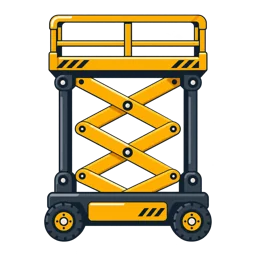
If elevated work materials are staged for basket runs, map clear paths to /electric-scissor-lift-rental/ or /vertical-mast-lift-rental/ operating zones.
Ground conditions and stability
Paved aprons often end at fill that stays soft after rain. Avoid placing containers across slab joints that could settle unevenly.
Drainage away from the doors reduces binding and water intrusion during storms.
Security and public interface
Waterfront and street-adjacent sites may require barriers and lighting. Pair with /temporary-fencing-barricades-rental/ and /generators-light-towers-rental/ to define perimeters and improve visibility after hours.
Measurements that speed planning
Container size, door orientation, and exact set location with offsets from utilities.
Surface type, bearing condition notes, and any grade or drainage features.
Delivery hours, approach photos, and known overhead conflicts like lines or signage.
Equipment questions
Questions about Norfolk planning
What container features hold up best in Norfolk’s coastal environment?
Units with quality coatings, intact door seals, and stainless or galvanized hardware typically resist salt-air corrosion better, reducing sticking doors and hinge wear over time.
How close can a container sit to active lift areas?
Separation depends on the site plan and actual equipment in use. Maintain clear travel lanes for forklifts, telehandlers, and boom lifts, with door swing that doesn’t project into their paths.
What surface is preferred under containers on soft ground?
A firm, level, and well-drained base. Crushed stone or timber mats are often specified to spread load and limit settlement where silty soils or a high water table are present.