Matching capacity to reach
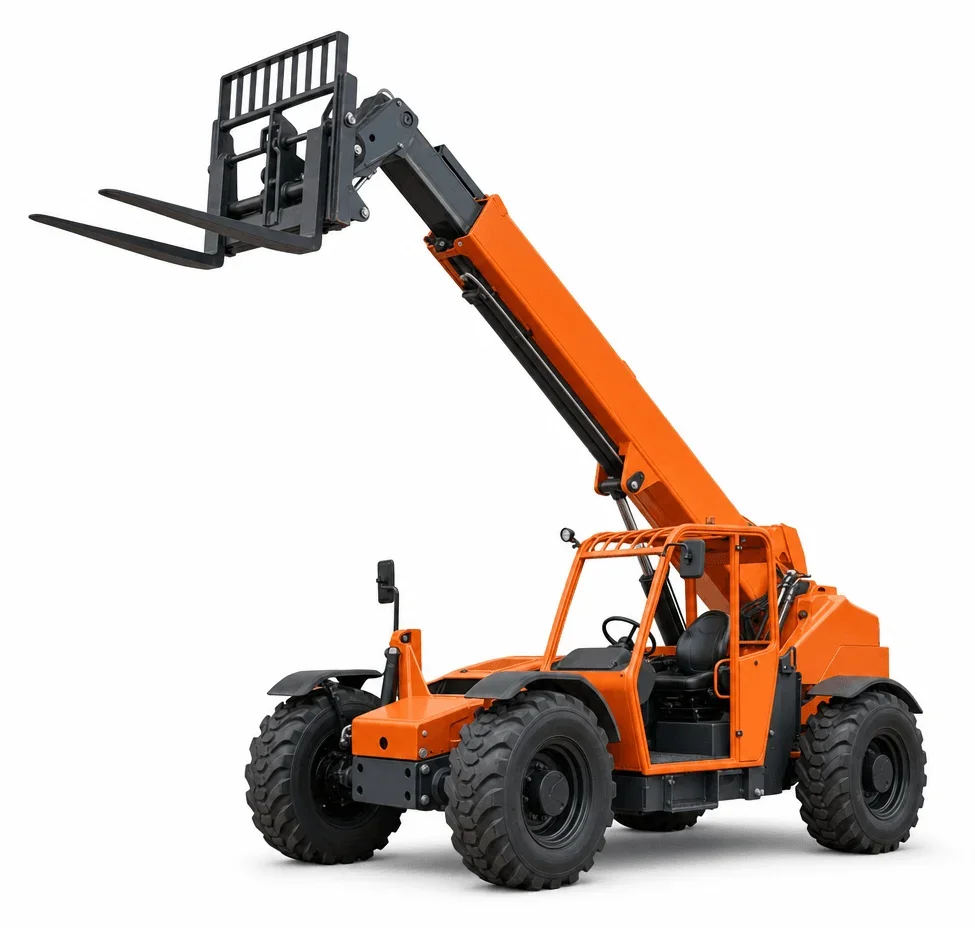
- Define the maximum load weight and the furthest placement point. Capacity declines as boom extends; model charts govern allowable loads at each reach.
- Clarify whether the load must clear parapets or railings, which increases effective outreach.
Ground and approach in local conditions
- Soft, silty soils and slab-to-dirt transitions are common around staging areas. Travel paths with mixed surfaces point toward rough-terrain configurations.
- Waterfront breezes and open corridors can create lateral forces on elevated loads. Actual conditions, the unit’s instructions, and site procedures govern lift decisions.
Visibility and placement
- Long approaches in busy yards benefit from clear lines and controlled lanes. Temporary barriers can define traffic routes; see /temporary-fencing-barricades-rental/ if needed.
- Storage near the set point reduces shuttle time. Consider /storage-containers-rental/ for on-site staging.
Fit and access
- Gate widths, turning radii, and overhead clearances around pipe racks or scaffolds can limit machine size.
- For repetitive lifts to mezzanines or dock doors, confirm whether a straight approach is possible or if offset placement is required.
When another machine category may work better
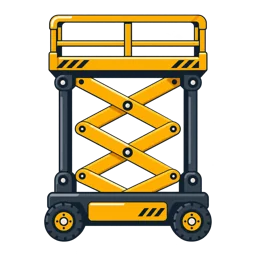
- Purely vertical personnel access: /electric-scissor-lift-rental/ or /aerial-lift-rental/
- Long, unobstructed personnel reach: /telescopic-boom-lift-rental/
Keep the comparison specific
A useful equipment discussion starts with the work height, the practical machine position, the route into the area, the floor or ground along that route, and the people, tools, or material involved. Those details clarify whether vertical access, outreach, or material placement is the real constraint.