Articulating vs. telescopic: define the path
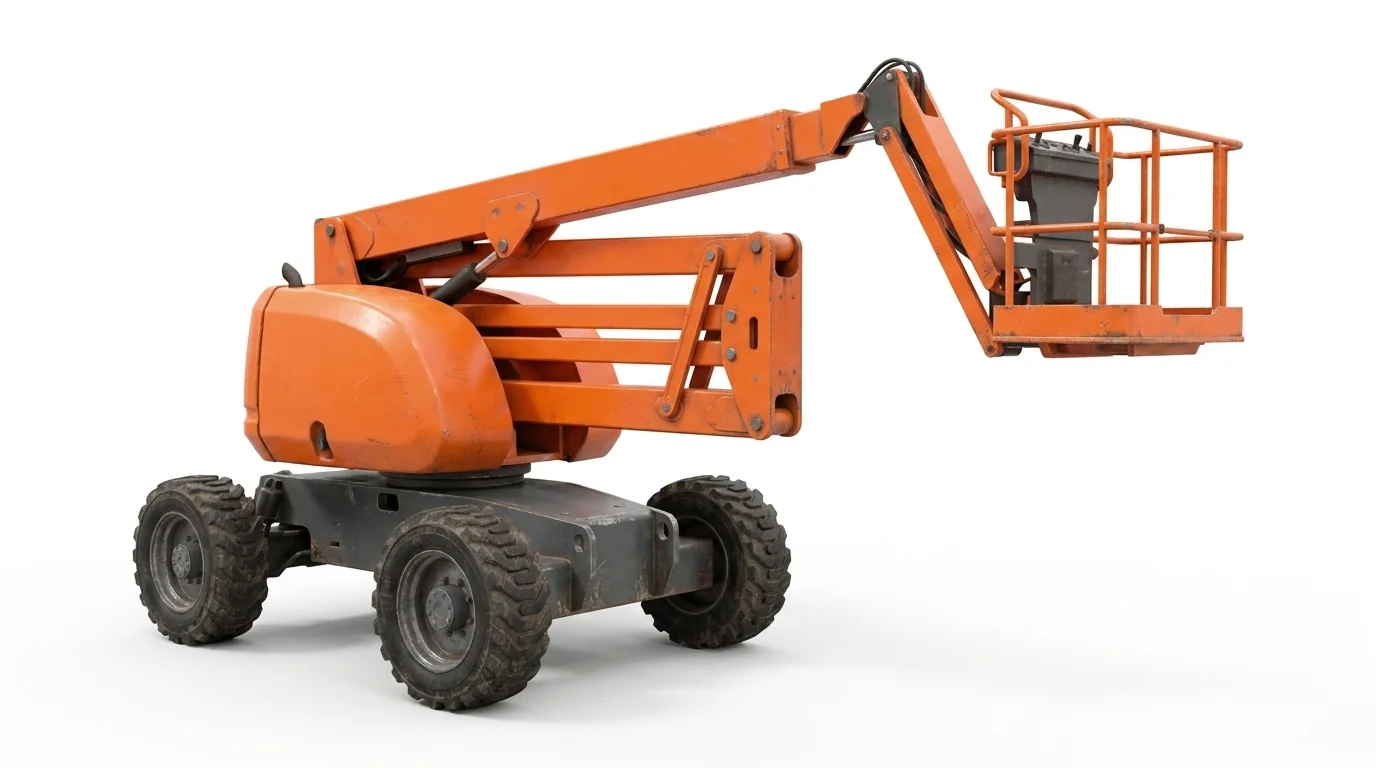
- Articulating booms handle up-and-over tasks around piping, racks, or structures with multiple joints.
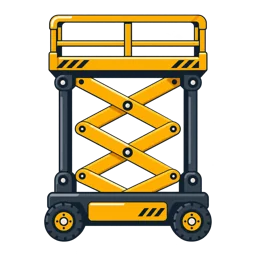
- Telescopic booms favor long, straight reaches when the ground is open and line-of-sight is clear. If the task allows the machine to sit directly under the work, compare scissor options at /aerial-lift-rental/ and /electric-scissor-lift-rental/.
Norfolk factors that change the boom decision
- Coastal winds on open sites: elevated operation is limited by the selected unit’s instructions and site procedures.
- Salt air exposure: exterior hardware and fittings benefit from corrosion-aware planning over repeated waterfront assignments.
- Mixed slabs, aggregate, and fill: approach stability, ground clearance, and tire configuration matter when crossing slab edges or compacted soil.
Measurements that narrow the boom
- Required platform height and horizontal outreach.
- Up-and-over clearance for articulating paths: note parapets, conveyors, and pipe racks.
- Chassis width, tail swing, and turning radius for gates and laydown areas.
- Ground bearing and slope at work pads or mats.
Common Norfolk use cases
- Up-and-over access on industrial sites with congested equipment layouts.
- Long reaches across staging yards and infrastructure corridors.
Related comparisons
- Scissor alternatives when parked directly below: /electric-scissor-lift-rental/ and /rough-terrain-scissor-lift-rental/
- Broader overview: /aerial-lift-rental/
Keep the comparison specific
A useful equipment discussion starts with the work height, the practical machine position, the route into the area, the floor or ground along that route, and the people, tools, or material involved. Those details clarify whether vertical access, outreach, or material placement is the real constraint.