Define the handling task
- Load profile: weight, dimensions, and center of gravity
- Lift height: racking, mezzanine edges, or truck decks
- Frequency: continuous shuttles vs. intermittent moves
Aisles, doors, and turning space
- Measure aisle widths, door clearances, and any slope at thresholds. Low overhangs or sprinkler mains can limit mast types.
- Dock interfaces: plate transitions and curb cuts can dictate tire selection.
Norfolk-specific surface and exposure
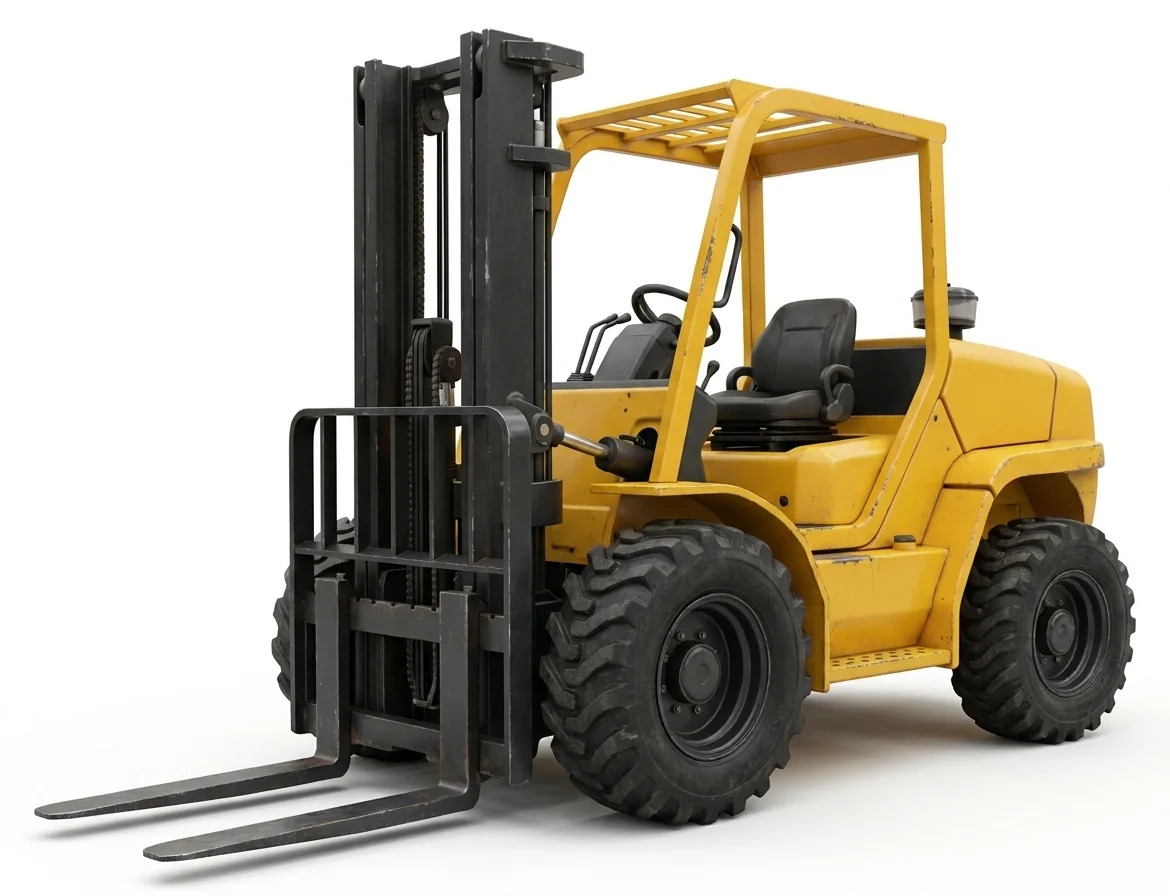
- Slab-to-yard transitions with soft soil near drainage are common. Continuous exterior travel leans toward pneumatic or rough-terrain setups.
- Salt air can affect exterior components over time, particularly on units working daily outside.
Power source considerations
- Electric for indoor air quality and tight maneuvering; confirm charger access and duty cycle.
- Internal combustion for mixed routes with outdoor time and variable grades.
When a different machine is a better fit
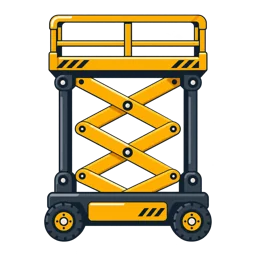
- Elevated personnel access, not pallet handling: /aerial-lift-rental/
- Long reach to place materials beyond a curb or barrier: /telehandler-rental/
Storage and site organization
- On-site containers reduce double-handling; see /storage-containers-rental/ for staging near loading points.
Keep the comparison specific
A useful equipment discussion starts with the work height, the practical machine position, the route into the area, the floor or ground along that route, and the people, tools, or material involved. Those details clarify whether vertical access, outreach, or material placement is the real constraint.