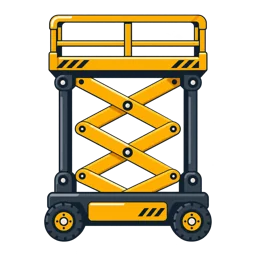
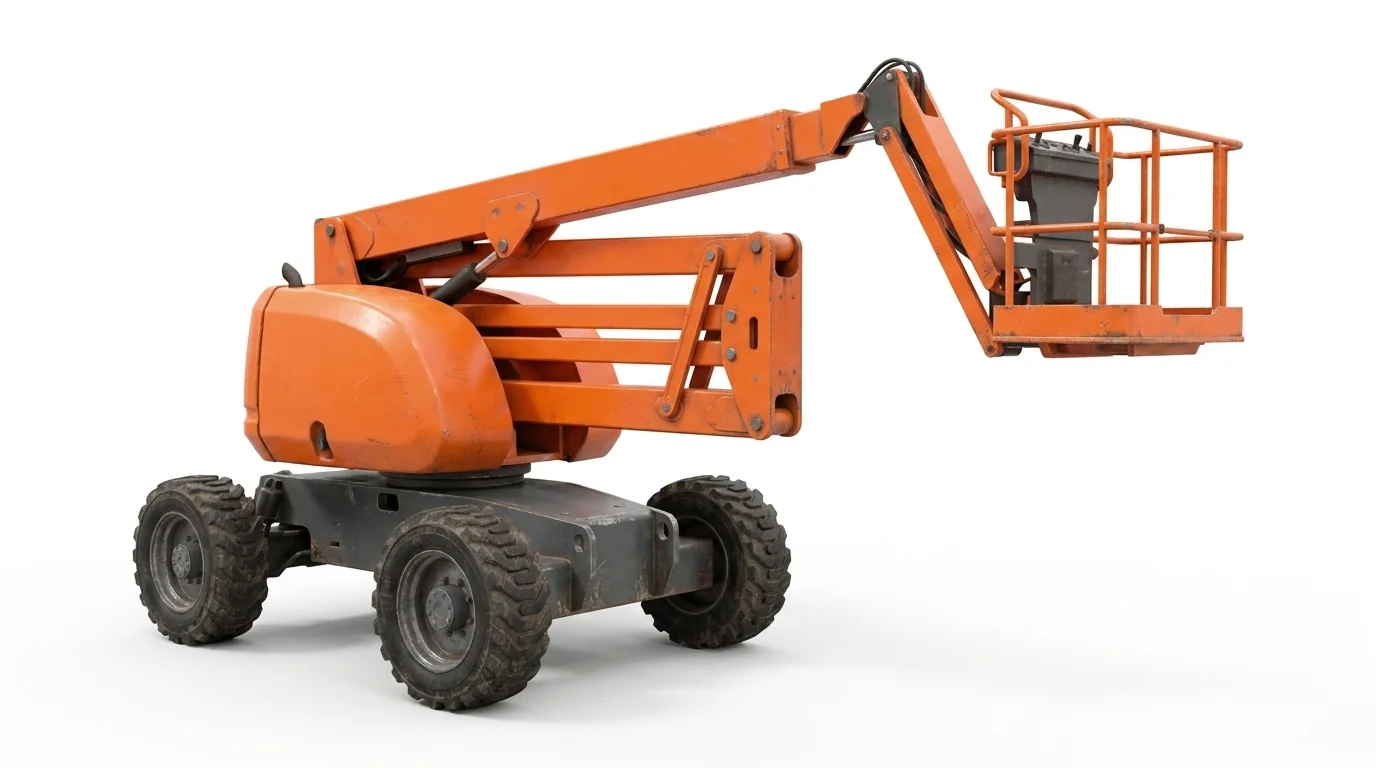
Choose by work geometry
- Straight up with the machine parked below: scissor lifts. See /electric-scissor-lift-rental/ for indoor slabs and /rough-terrain-scissor-lift-rental/ for outdoor ground.
- Up-and-over around piping, conveyors, or structures: articulating booms at /boom-lift-rental/ provide jointed reach paths.
- Long horizontal reach across open spans: telescopic booms, covered in /boom-lift-rental/, suit clear, direct reaches.
Norfolk site conditions that affect selection
- Coastal wind exposure: elevated work is limited by the selected model’s instructions and site procedures; indoor-only units are meant for protected spaces.
- Salt air and humidity: plan for corrosion resistance and upkeep on exterior assignments.
- Mixed surfaces: transitions from smooth slab to compacted soil or aggregate favor rough‑terrain platforms or boom lifts with appropriate ground clearance.
Specs that narrow the field
- Needed platform height and horizontal reach.
- Platform capacity for personnel and materials.
- Chassis width and turning radius for site access.
- Floor load and ground bearing limits on slabs, mats, or fill.
Norfolk use patterns
- Interior facility service at local distribution buildings: electric scissors with compact footprints.
- Waterfront maintenance and heavy civil staging: rough‑terrain scissors or booms for uneven approaches and exposure.
Related pages
- Scissor options: /electric-scissor-lift-rental/ and /rough-terrain-scissor-lift-rental/
- Boom overview: /boom-lift-rental/
Keep the comparison specific
A useful equipment discussion starts with the work height, the practical machine position, the route into the area, the floor or ground along that route, and the people, tools, or material involved. Those details clarify whether vertical access, outreach, or material placement is the real constraint.